Wildlife Safari
Serengeti & Ngorongoro Classic Safari
Four days across Tanzania's legendary parks — the endless Serengeti plains and the wildlife-packed Ngorongoro…
Region
Arusha Region, Northern Tanzania
Area
260 km² (crater floor)
Best Time
Jun–Oct, good year-round
Altitude
1,800 – 2,400 m
Ngorongoro is the largest intact volcanic caldera in the world — a 600-metre-deep natural amphitheatre with roughly 25,000 large animals living inside its walls. It is the single best place in Tanzania to see black rhino, and Maasai herders have grazed cattle on the crater floor for generations.
The world's largest intact volcanic caldera — a natural amphitheatre sheltering 25,000 animals, including the rare black rhino, alongside Maasai communities who have grazed cattle here for centuries.
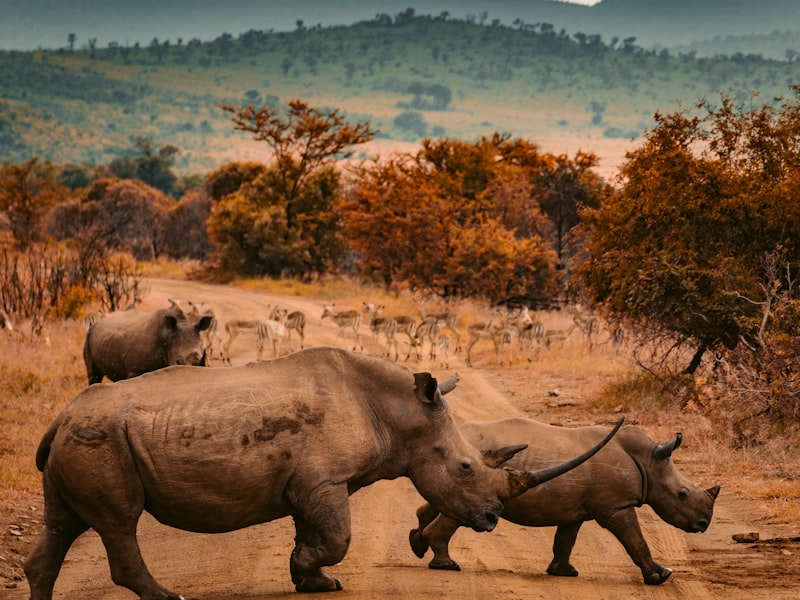
One of the few places left in East Africa where a wild black rhino sighting is realistic.
A 600 m descent onto a 260 km² floor — the largest unbroken caldera anywhere.
A soda lake on the crater floor, pink with flamingos in the wetter months.
The only conservation area in Tanzania where people and wildlife share the land by design.
Yellow fever acacia woodland where elephant bulls with heavy tusks shelter.
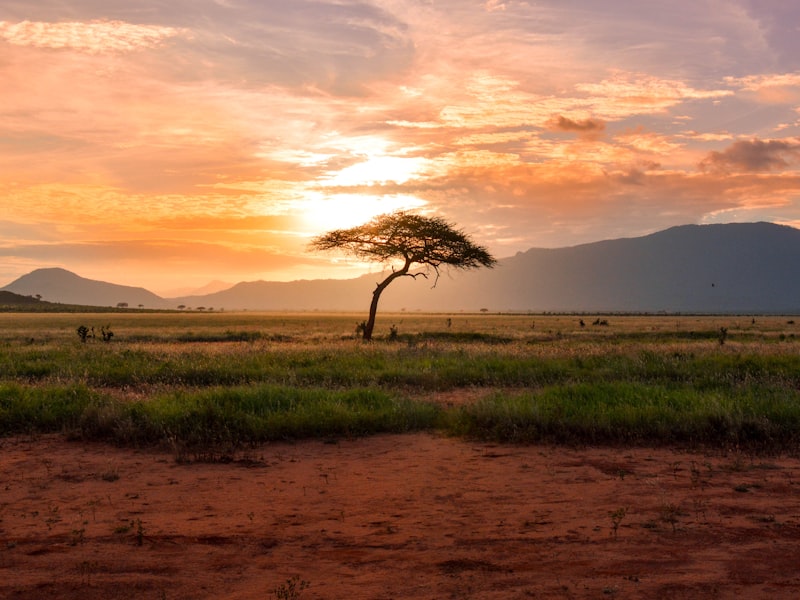
Sunrise over the rim, 600 metres above the floor, with the whole caldera below you.
The crater holds water year-round, so the wildlife does not leave and viewing is good in any month. June to October is driest and clearest. Descend early — the crater floor gets busy from mid-morning, and the first two hours after the gate opens are the quietest and the best for predators.
A full crater descent is a half to full day — usually six hours on the floor. Vehicles must be out by 6 pm and there is a six-hour limit on the floor, so we descend at gate opening to make the most of it.
Ngorongoro is the most likely place in Tanzania to see all five in a single drive. Lion, elephant and buffalo are near certain; black rhino and leopard depend on the day.
Yes — they are completely different. The Serengeti is open plain and distance; the crater is a contained ecosystem where everything is close together. Most of our northern circuits include both.
Yes. Ngorongoro is a conservation area rather than a national park, so Maasai communities live and graze within it. We arrange visits to working bomas where the fee goes to the family hosting you.
Wildlife Safari
Four days across Tanzania's legendary parks — the endless Serengeti plains and the wildlife-packed Ngorongoro…
Wildlife Safari
Baobab country and the crater floor in one short circuit — elephants in Tarangire, then the Big Five inside…
Tell us the dates and who is travelling — we will put an itinerary together for you.