Région du Kilimandjaro

Region

Kilimanjaro, Northern Tanzania

Area

1,688 km²

Best Time

Jan–Mar & Jun–Oct

Altitude

800 – 5,895 m

Le Kilimandjaro est la plus haute montagne isolée du monde, s'élevant à 5 895 mètres au-dessus de la plaine. Ses pentes basses sont tout autre chose — bananeraies, cascades et fermes chagga qui produisent parmi les meilleurs cafés arabica au monde.

Terre du plus haut sommet d'Afrique, du peuple chagga, de cascades luxuriantes et de l'un des meilleurs cafés arabica au monde. Les pentes du Kilimandjaro sont un paradis de bananeraies, de sentiers forestiers et d'hospitalité villageoise.

Points Forts du Circuit

Uhuru Peak

5,895 m — the highest point in Africa, reached on the Machame, Lemosho and Marangu routes.

Chagga Coffee Farms

Hand-picked arabica grown on the volcanic soil of the southern slopes, roasted in the village.

Materuni Waterfalls

A 90-metre fall in the rainforest belt, an easy half-day walk from Moshi.

Rainforest Belt

Colobus monkeys, giant tree ferns and impatiens found nowhere else on earth.

Chagga Culture

Underground caves, home-brewed banana beer and the irrigation channels the Chagga built by hand.

Five Climate Zones

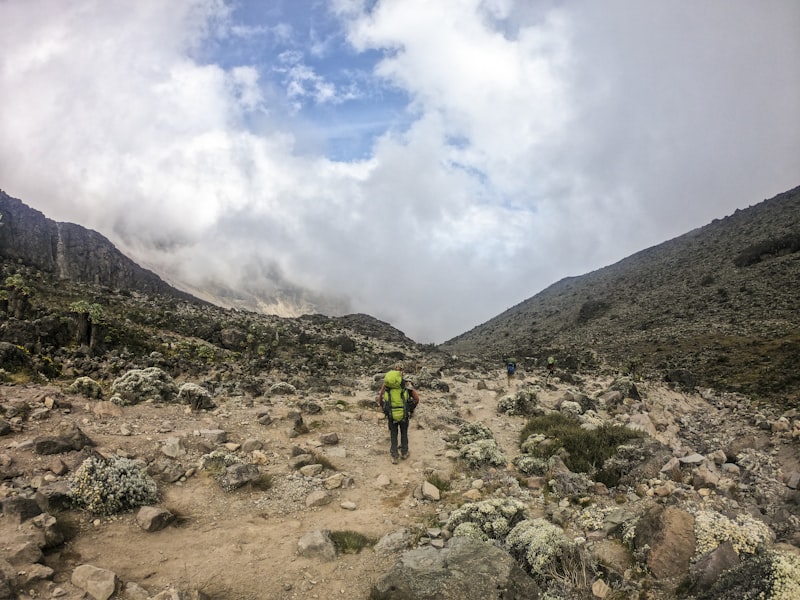
Farmland, rainforest, moorland, alpine desert and arctic summit — all in one climb.

Animaux que vous pourrez voir

  • Colobus Monkey
  • Blue Monkey
  • Bushbuck
  • Duiker
  • Tree Hyrax
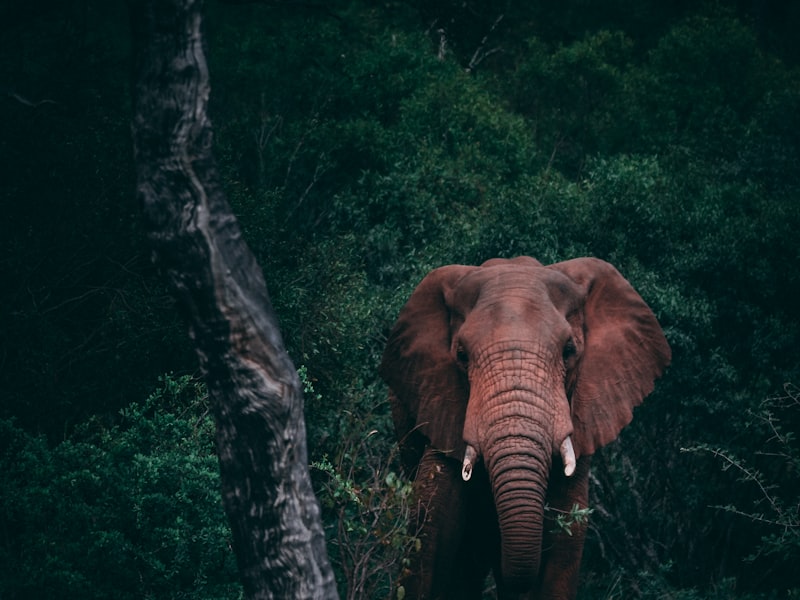
  • Elephant
  • Buffalo
  • Malachite Sunbird
  • Turaco

Quand partir

Jan
Feb
Mar
Apr
May
Jun
Jul
Aug
Sep
Oct
Nov
Dec
  • Haute saison
  • Bonne
  • Moyenne
  • Basse

January to March is warm and clear with fewer climbers on the trail. July to October is the main dry season — busiest, but the most reliable summit weather. April, May and November are the rainy months; the mountain stays open but the trails are slick and the views come and go.

Nous Trouver

FAQs

How hard is it to climb Kilimanjaro?

No technical climbing or ropes are needed — it is a long, high walk. The difficulty is altitude, not terrain. Reasonable fitness and a route with enough acclimatisation days are what matter. Our seven-day Machame itinerary is built around climb-high-sleep-low for exactly that reason.

What is the summit success rate?

On short five-day routes it drops below 50%. On seven days or more it is above 85%. Every extra night on the mountain gives your body more time to adjust, which is why we do not sell the rushed versions.

Do I need to climb to enjoy Kilimanjaro?

Not at all. The lower slopes are a full destination on their own — coffee farms, Materuni and Kikuletwa waterfalls, forest walks and Chagga villages, all doable as day trips from Moshi or Arusha.

What is included in a Kilimanjaro trek?

Park fees, camping or hut fees, rescue fees, a certified lead guide and assistant guides, cook and porters, all meals on the mountain, mountain tents, oxygen and a pulse oximeter. Flights, visa, tips and personal gear are not included.

Safaris dans cette destination

Préparez votre voyage

Dites-nous vos dates et qui voyage — nous vous préparons un itinéraire sur mesure.